
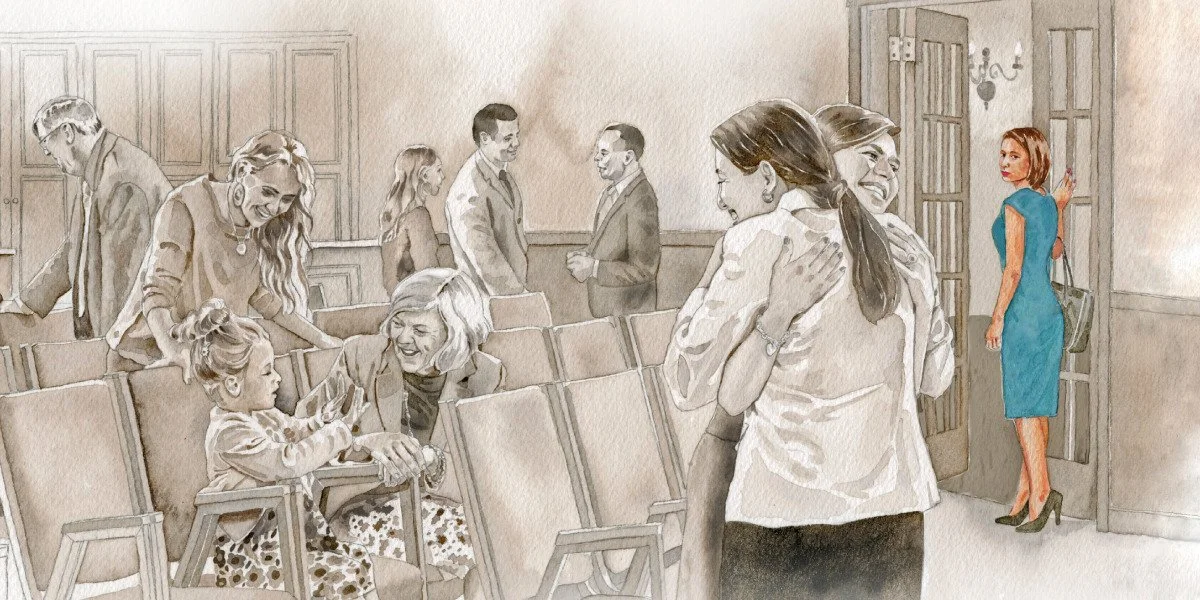
How do I leave without being shunned?
Leaving Jehovah’s Witnesses without being shunned is possible - but it needs to be carefully managed. The unfortunately truth is that it happens in very limited circumstances, and even then the outcome depends as much on your local elders’ interpretation of Watchtower policy.
Despite what they tell the media, and non-members, within Jehovah’s Witness religion shunning is not an optional response. It' is not down to a persons to personal conscience to decide if they are going to shun a “removed” or disassociated person. It is, in fact, institutionally enforced and emphasized throughout their literature and videos.
According to the elders’ manual Shepherd the Flock of God (September 2023 edition):
Disfellowshipping (now called “removed”) and disassociation both require strict avoidance by congregation members.
Inactive status, by contrast, does not mandate shunning - although the more zealous members will soft-shun even for this.
The key distinction, therefore, is how one leaves.
The only officially recognised way to avoid shunning is by becoming inactive
A person is considered inactive when they:
Stop reporting field service activity.
Stop attending meetings for at least 3 months.
Do not formally resign or state rejection of the organisation.
Do not engage in “serious wrongdoing” that triggers judicial action.
The elders’ book explicitly instructs that inactive ones should still be viewed as “sheep who may return”, and that normal family contact is permitted:
“If an inactive one has made it clear that he does not want to be contacted, his wishes should be respected.”
— Shepherd the Flock of God, ch. 2, par. 13
There is no instruction to shun inactive members. Although, again, some JWs will do this anyway if/when you start engaging in non-JW/real world activities such as voting, celebrating a birthday or joining another religion.
Some who intend to do a quiet exit accidentally trigger shunning by the JW community. This can happen by doing any of the follow:
Writing a resignation letter
This is automatically treated as disassociation, even if politely worded.
Disassociation is handled identically to disfellowshipping.
Congregation members are then required to shun you. Family included.
As satisfying as it might be to exit officially, on your own terms, this just plays right into the organizations hands. They will then claim that it is YOU that is shunning the JW community and that they are merely “respecting your wishes”. So, if you want to avoid shunning, you should hold off writing a disassociation letter.
Verbally rejecting doctrine or the governing body’s authority
If you tell the elders that you:
No longer believe the Governing Body is God’s channel, or
Reject core doctrines (e.g. 1914, organisation exclusivity)
this will be taken as apostasy, which will lead to judicial action.
Public advocacy or criticism
Openly criticising the organsation or it’s doctrines to other Witnesses, posting critical material online, or encouraging others to leave is will be taken as apostasy, which will lead to judicial action..
So dont do that…
Instead, here are some practical strategies used by those who have managed to leave without being shunned
Strategy 1: Gradual fade (“the quiet fade”)
Reduce meeting attendance gradually
Stop commenting, then stop attending
Reduce service activity to zero
Avoid doctrinal discussions with elders
This exploits the organisation’s preference for non-confrontation when no rule breach is visible. Remember, the elder’s guidebook says they are to respect your wishes if you tell them you do not wish to be contacted. You don’t have to give a reason, even if they ask for one. Should they keep on, inform them that they are harassing you and you will seek legal advice - the threat alone should put a stop to their contact.
Strategy 2: Non-religious framing
When questioned, individuals often cite:
Mental health factors - “I’m going through some mental health issues right now, and would appreciate the space. If I feel I need your assistance I’ll be sure to reach out”.
Burnout
Family pressures
“Needing time” or “personal matters”
These are difficult for elders to judicially pursue.
Strategy 3: Avoiding elder meetings
Elders rely on confessions or explicit statements. Politely, but firmly, refuse shepherding visits. This limits their options of what they can do. Remember, they need two witnesses to a confession or statement before they can take action. This is why elder’s always come in two’s.
What cannot be controlled
Even if you follow every precaution, it cannot be guaranteed that at least some of the members will not shun you. “Soft-shunning” may still happen, such as reduced invitations, distancing themselves from you, unfriending you on social media etc. Local elders may take it upon themselves to apply Watchtower rules more aggressively, and family members may independently choose to limit contact thinking they’re supposed to shun you.
Remember, though, if a JW decides to shun you - that’s on them, not you.
From a critical perspective, this system creates a coercive dilemma:
If you’re up front and honest it results in the loss of family and community.
If you lay low and remain silent you keep your JW relationships, but they may not be authentic or genuine.
Cults shun in order to reinforce conformity through fear of loss of ones family and friends. This conformity, is re-labelled by the JWs as “unity”.
Perhaps you may learn from my mistake. When I woke up, I written a letter of disassociation (but was disfellowshipped anyway after I was tricked into attending a judicial committee). If I could go back in time, I wouldn’t have written a letter. Not because I regret it, but because doing such a thing is going by Watchtowers rules. It’s the Watchtower society that decided there’s only two ways to officially leave (disfellowshipping or disassociation), so why should I obey their rules?
Instead I would live my life openly, and when questioned immediately decline elder’s visits/contact, and quote their own literature back at them:
“No one should be forced to worship in a way that he finds unacceptable or be made to choose between his beliefs and his family.” - Awake!, July 2009, p. 29
“We do not shun people. We do not force people to choose between their family and their faith.” — Australian Royal Commission into Institutional Responses to Child Sexual Abuse, Case Study 29, Day 155 (14 August 2015), transcript
At the same time, I would avoid the topic of religion with family members and not openly criticize the organisation. JWs take criticism of the organisation as a personal attack (which is actually one of the indicators of a cult) and so is best avoided.