
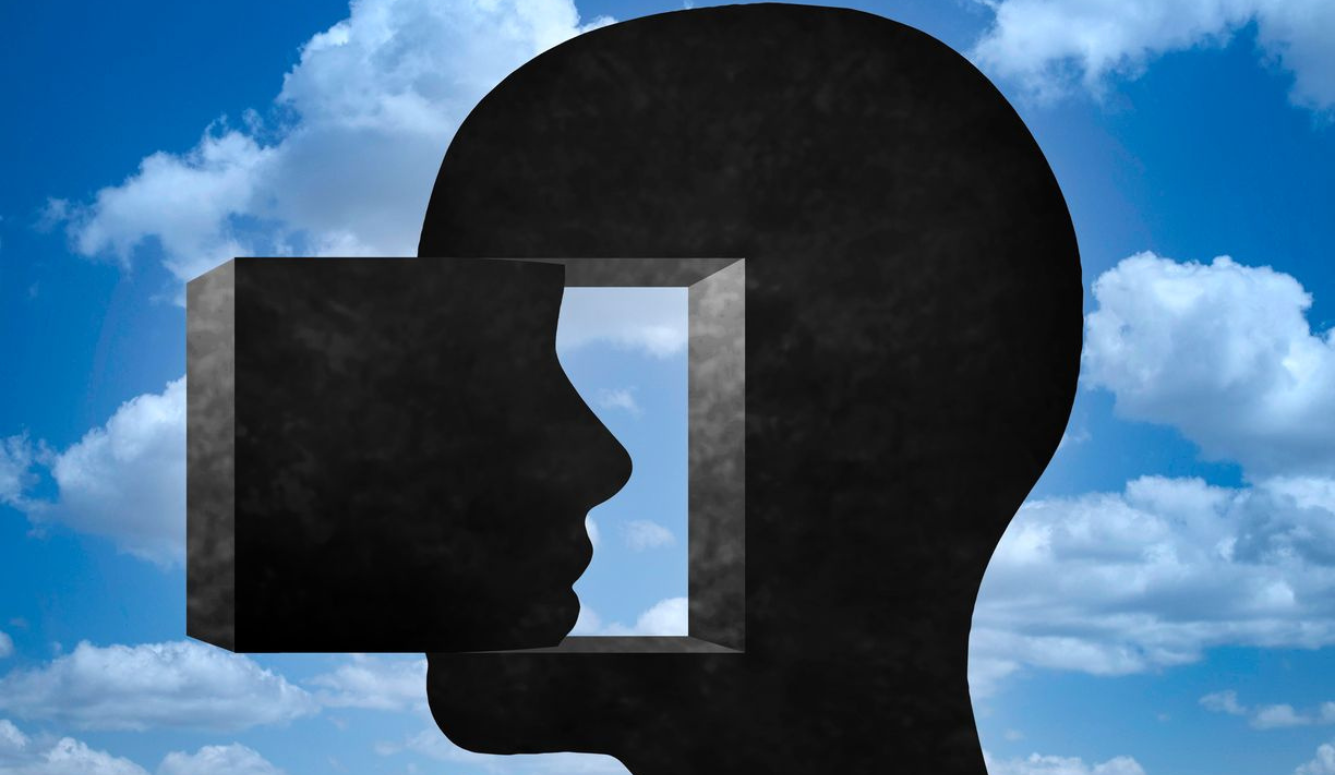
Forming A New, Authentic Identity
So you’ve left the Jehovah’s Witness mindset. You know the religion isn’t true, and perhaps you find yourself questioning more and more things you thought you knew. And there’s nothing more personal or impactful than questioning your own identity - who are you really?
First of all, most people don’t come to this point in their lives - or if they do, they come to it quite later in life and may result in an existential crisis. So congratulations on coming to this point in your life, because you’re about to create a happier, more fulfilled and authentic version of yourself!
How Is Identity Formed — and Can You Change It?
Most people assume identity is something you simply have. You’ve probably heard people say things like “I’m just like this”, or “That’s just who I am”. But psychology tells a different story. Identity is not fixed, its plastic, which means it isn’t something you’re born with fully formed. It develops over time — through relationships, experiences, beliefs, and the stories you tell about yourself. And the most important part of understanding this, is that your identity can change. Let’s explore how identity forms — and how you can reconstruct it when life reshapes you.
What Is Identity, Really?
At its core, identity answers three questions:
Who am I?
Where do I belong?
What gives my life meaning?
Identity isn’t just your personality, it’s your sense of worth, your values, your social roles, and the story you tell about your life. Psychologists see identity as something built from several layers.
1. Identity Construction Begins in Early Relationships
Our early relationships shape how we see ourselves. As infants, we look up to adults who we assume to know more about the world and how things work. Our critical thinking skills have not developed, and so we accept and internalize what our caregivers say about us and the labels they give us.
If caregivers were:
Warm and responsive, we often grow up feeling worthy and secure.
Inconsistent, we may grow up feeling we must “earn” love.
Distant or rejecting, we may learn to rely only on ourselves.
Over time, these early patterns turn into beliefs like:
“I am lovable.”
“I am too much.”
“I must not depend on anyone.”
“People will leave me so you can’t depend on anyone but yourself.”
These beliefs quietly become part of our identity.
2. We Become Who We Belong To
We don’t just form identity in families we form it in groups, and we define ourselves partly through belonging with others.
Your identity may include:
Your religion
Your nationality
Your profession
Your diet (e.g., vegan, vegetarian)
Your political beliefs
Your hobbies
When your group feels accepted, you feel secure, and when your group is criticized, it can feel personal (remember this, from our Jehovah’s Witness days?). This is why debates about politics, faith, food, or lifestyle can become so emotionally charged — they are identity threats.
3. Identity Is the Story You Tell Yourself
Identity is like a life story, you don’t just experience events — you interpret them. Two people can go through the same experience, such as rejection and one might think: “That taught me resilience”, whereas another might think: “That proved I’m not good enough.” The event is the same but the identity formed is different. Over time, the story you repeat becomes the person you believe you are.
4. Your Beliefs Become Your Identity
Identity is also built from repeated thoughts. If someone repeatedly thinks:
“I’m awkward.”
“I always mess things up.”
“People don’t like me.”
Eventually, those thoughts stop feeling like thoughts — and start feeling like facts. These are called core beliefs, and once they settle in, they shape:
How you behave
What risks you take
Who you date
What career paths you pursue
How you interpret feedback
So, your identity isn’t just who you are, it’s what you expect from yourself.
Now, for the important question….
Can Identity Change?
Yes — but usually not without discomfort. Identity often shifts during:
Breakups
Career changes
Religious transitions
Social exclusion
Trauma
Therapy
Personal growth journeys
When life disrupts your old story, you are forced to ask yourself “If I’m not who I thought I was… then who am I?”. This can feel destabilizing — but it’s also an opportunity.
How To Reconstruct Your Identity
Identity reconstruction doesn’t happen overnight. It unfolds through several psychological processes.
1. Changing Core Beliefs
If you challenge your long-held beliefs like:
“I am unworthy.”
“I’m fundamentally flawed.”
“People will always reject me.”
And replace them with evidence-based alternatives, your self-concept begins to shift. This is one reason therapy can be so powerful — it helps rewrite the assumptions that formed early in life.
2. Rewriting the Narrative
Instead of:
“I failed because I’m useless.”
Shift to:
“That chapter didn’t work — but I’m still developing.”
Instead of:
“I was excluded because I’m unlikeable.”
Shift to:
“I was different in an environment that didn’t value difference.”
When you reinterpret your past, you reshape your identity.
3. New Relationships Create New Mirrors
We often become who we are treated as. If you are consistently treated with:
Respect
Patience
Acceptance
You begin to internalize those qualities. Sometimes identity change doesn’t happen through self-help books — it happens through healthier relationships with others.
4. Behaviour First, Identity Second
Interestingly, your behaviour can lead identity.
If you:
Start exercising regularly
Speak up more
Set boundaries
Take social risks
Your brain begins updating the story:
“Maybe I am someone who can do hard things.”
Small consistent actions often shift identity more than big declarations.
Why This Matters for Mental Health
Many mental health struggles involve identity pain. Depression often includes:
“I am worthless.”
Social anxiety includes:
“I am socially inadequate.”
Trauma can create:
“I am damaged.”
Recovery isn’t only about reducing symptoms, but its also about answering a deeper question:
“Who am I now?”
Identity reconstruction is often the hidden engine of healing.
Putting This All Together
Remember, unlike personality which is more fixed through traits, identity is not a fixed label.
It is:
Built in relationships
Shaped by belonging
Maintained by beliefs
Held together by narrative
And capable of change
You are not only who you were shaped to be, your story is not finished. So how do you use this information to form a new, more authentic and rewarding identity?
Have new experiences. Our beliefs are shaped by the experiences we have, and the stories we tell ourselves about those experiences. If your experiences are limited, the choices you have of how you can interpret those experiences will also be limited. For example, if you’ve only associated with Jehovah’s Witnesses, you wont have very much of a frame of reference about non-Jehovah’s Witnesses, or how they lives their lives. Your world will constantly be filtered through an (often) unconscious bias lens.
Question the stories you tell yourself about your experiences, and about yourself. One group, or person might reject you - but that doesn’t mean you’re the problem. It could mean that you were rejected by a group or person who does not value what you bring. There will be plenty more people out there who will gladly accept you just as you are.
Decide who you want to be - and be that person. How would you act if you were more confident? How would you act if you were a person who cares about their work in their day-job? How would you act if you were more accepting of other people? - Imagine how you would move, how you would speak, what things you would tell yourself… and do that for a day. You’ve be surprised how quickly your beliefs start to match your behavior.
Remember, your identity isn’t fixed. We make, and re-make our identities all the time when new information and new experiences happen.